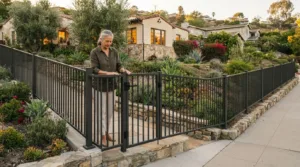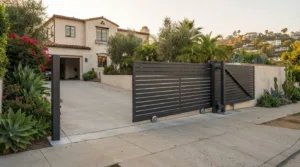
A polished backyard can make a home more compelling, but its value is not measured by appearance alone. For homeowners focused on impressing guests with their outdoor space, comfort and thoughtful design matter as much as a striking first impression. A finished entertaining area may support resale appeal, but it cannot guarantee a higher sale price.
It’s easy to see why an inviting patio feels like a worthwhile investment: it gives friends and family a place to gather, linger and enjoy the home beyond its interior walls. The most successful spaces balance that pleasure with practical choices that suit the property and the way you host. Explore how layered outdoor lighting, considered materials, dependable patio shade and holiday-ready details can bring your backyard together. You’ll also learn what to consider when weighing its potential contribution to resale appeal, so each design decision feels both welcoming now and thoughtful for the future.
Key Takeaways
- Layer warm, purposeful lighting to make dining areas welcoming and highlight pathways or garden features after dark.
- Design patio and garden zones for both conversation and relaxation, while treating resale appeal as a possibility rather than a promise.
- Combine contrasting materials, colors, and textures to give outdoor areas visual interest that feels connected to the home.
- Choose patio shade with comfort and the way you use the space in mind, then coordinate its look with your home’s palette.
- For holiday hosting, plan comfortable seating, lighting, and flexible areas that make it easy for guests to gather.
1. Outdoor lighting
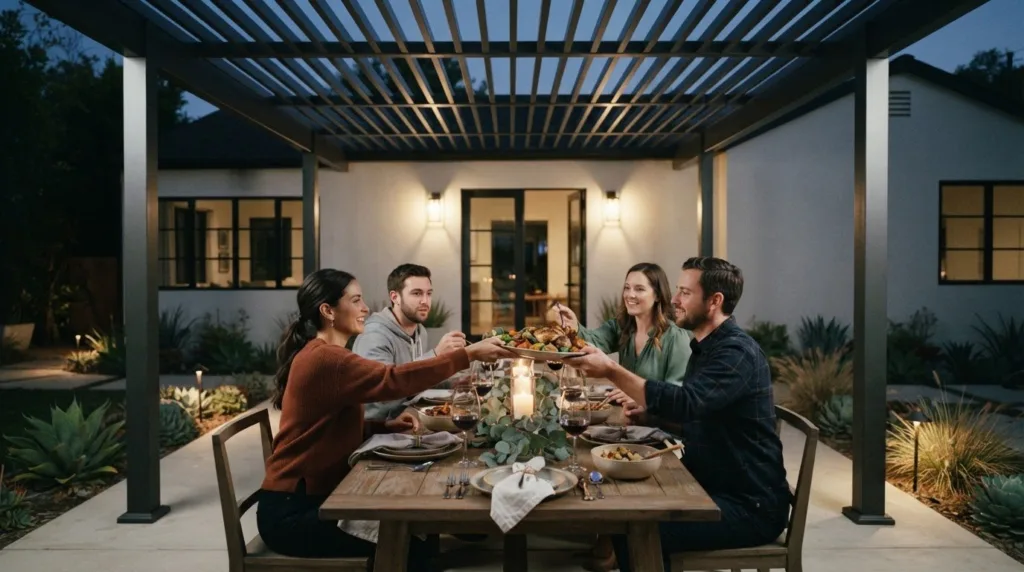
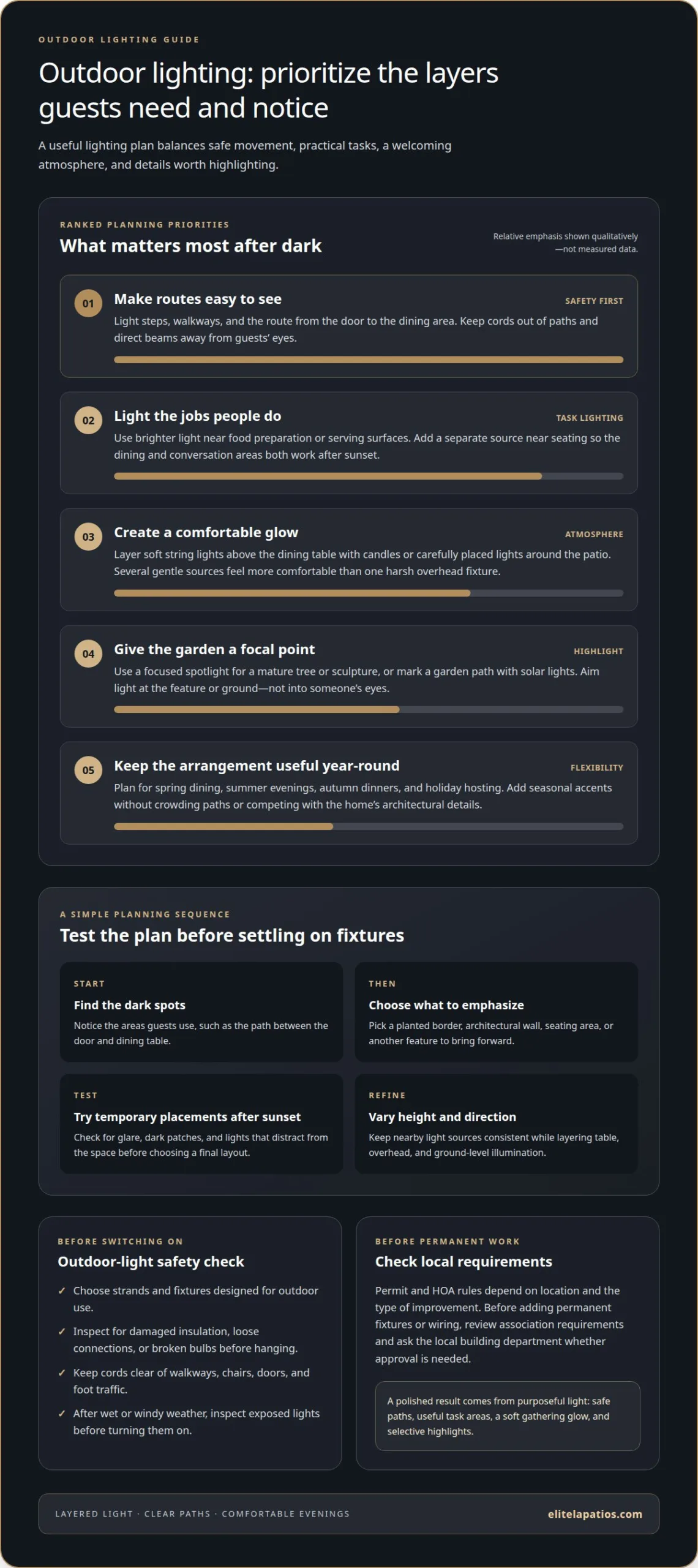
Thoughtful lighting can turn an outdoor dining area from a daytime setting into an evening destination. Start with the activities guests enjoy, such as dining, conversation, or moving between the patio and garden. Hang soft string lights above the dining table and add a separate light source near seating. Several gentle layers create a more comfortable atmosphere than one harsh overhead fixture.
Give each light a purpose. Solar lights can mark a garden path, while a focused spotlight can highlight a mature tree or sculpture. Low-level lights near steps and walkways help guests see where they are going after dark. At the entrance, landscape lighting can make the approach more inviting. Direct beams toward the feature or ground, not into guests’ eyes.
Plan lighting for year-round use, not only holiday gatherings. Use string lights to define a dining area in spring, then keep the arrangement for summer evenings and autumn dinners. Candles add a softer glow to a table, while carefully positioned lights illuminate the wider patio. For holiday hosting, add seasonal accents without crowding pathways or competing with the home’s architectural details.
Outdoor lighting needs care in every season. Choose strands and fixtures designed for outdoor use, and inspect them for damaged insulation, loose connections, or broken bulbs before hanging. Keep cords away from walkways and position them so chairs, doors, and foot traffic will not pull or crush them. After wet or windy weather, inspect exposed lights before switching them on.
To plan lighting, first identify the darkest areas guests use, such as the path from the door to the dining table. Next, decide which details to emphasize: a planted border, architectural wall, or seating area. Test temporary placements after sunset before settling on a layout. This reveals glare, dark patches, and lights that distract from the space.
Use a restrained palette for a polished effect. Warm, soft illumination suits conversation areas, while brighter task lighting belongs near food preparation or serving surfaces. Keep the light source consistent across nearby zones, then vary its height and direction. A table candle, overhead strand, and ground-level path light create depth without making the patio feel overlit.
Permit and HOA rules depend on your location and the type of outdoor improvement. Before adding permanent fixtures or wiring, review your association’s requirements and ask the local building department whether the planned work requires approval.
2. Does a finished backyard entertaining space add resale value?
A finished backyard can strengthen a home’s appeal by making outdoor space feel usable, cared for, and connected to everyday life. A clean patio with comfortable seating and a defined dining area, for example, shows how the yard can extend the home. Any contribution to resale value depends on the property, buyer preferences, and local market conditions, so design for lasting enjoyment rather than a promised return.
Give the garden a focal point that draws attention without overwhelming the yard. A flower bed beside the patio, a trellis with climbing plants, or a garden sculpture can create a natural visual anchor. Place it where guests can see it from the house or dining table, then use surrounding plants to frame it. A focal point makes the garden feel intentional, even with a simple planting scheme.
Plan the layout around how guests move between activities. Pair a patio dining table with an outdoor sectional to create a clear transition from eating to lounging. Keep an open route between the back door, serving area, and seating so people are not weaving around furniture. In a compact garden, use movable chairs and a small side table; a flexible arrangement supports conversation without crowding the patio.
Affordable updates can start with cleaning existing paving, rearranging outdoor furniture, and adding potted flowers near the dining area. A fresh table setting, trimmed plants, and a welcoming focal point can make a noticeable difference without redesigning the whole garden.
For an easy food and drink station, place a sturdy side table near dining seats and arrange glasses, napkins, and a water pitcher on a tray. Put a cooler nearby for chilled drinks, clear of the main walkway.
Privacy can make a garden more comfortable without closing it off. Layer taller shrubs behind lower flowers to soften exposed edges while preserving an open view. A trellis with climbing plants can screen a seating corner and add greenery. Where a stronger visual boundary suits the layout, an artistic privacy wall can provide a defined backdrop for outdoor furniture.
Make the space feel like a natural extension of the home by repeating a few colors or materials between the house and patio. Echo a nearby door color in cushions, for instance, and choose planters that complement the paving. Keep surfaces tidy and make dining, lounging, and garden paths easy to understand. These details help buyers picture how the yard works, while a well-planned layout makes hosting more inviting now.
For a considered patio plan, discuss your outdoor space and how its layout could better serve dining, relaxation, and gatherings.
3. Contrasting materials, colors, and textures
A layered material palette adds depth without making a backyard feel visually busy. Pair smooth paving with a rough stone planter, or set a dark metal table against a warm-toned wall. Repeat one finish in nearby seating areas for continuity, then introduce contrast with plants, cushions, or a textured outdoor rug. The result feels composed rather than assembled from unrelated pieces.
Start with the surfaces guests notice first. A path of pavers, gravel, or natural stone can establish the setting before anyone reaches the patio. Colorful flowers and lush shrubs soften the hard paving along its edges. Choose a restrained stone color, for example, and let seasonal blooms provide brighter accents. This keeps the path distinctive without relying on a complicated pattern.
Weather-suitable focal points help a design stay inviting through changing conditions. Hotels sometimes combine glass and stone for a distinctive exterior; at home, a glass-topped table beside a stone planter creates a similar contrast. Choose outdoor-suitable furnishings and finishes for exposed areas, and reserve delicate accessories for sheltered spots. A covered seating area can also protect some furnishings from direct weather.
Durability depends on matching each material to its use. A busy route needs a firm, stable walking surface, while a decorative gravel strip can work beside planted borders. For dining, choose a table surface that wipes clean after meals. Keep cushions and decorative objects easy to move when weather changes. These practical choices help finishes stay attractive throughout the season.
Color can make contrasting textures feel harmonious. Start with the home’s exterior, then repeat one of its tones in planters or outdoor furniture. Add a complementary shade through flowers, such as pale blooms beside deep green foliage. Fresh planting can brighten a neutral patio in spring, while foliage and permanent structural elements keep the garden visually grounded later in the year.
Consider how materials look and feel at different heights. Low stone edging can define a planted border, while taller planters add vertical form near seating. A woven chair beside a smooth table introduces tactile contrast without adding another strong color. Keep the largest surfaces quiet, then use smaller elements to express personality and create a polished setting for guests.
Before choosing finishes, view samples beside the house and patio in daylight. Compare paving with the exterior wall, then see how nearby plants and flowers affect the palette. Select a small group of complementary colors and repeat them across planters, cushions, and accessories. This simple sequence creates visual connection while letting distinct textures make each area memorable.
4. Should I add a covered patio for shade?
A covered patio can make outdoor seating more comfortable when strong sun limits how long guests linger. If sunny hours make your patio difficult to use, a shade structure can make a dining table or lounge area more inviting. Observe how sunlight moves across the patio during the day to decide where shade matters most. A cover over the main seating area can leave a garden border open to sunlight.
Connect the cover’s colors and materials to the home for a cohesive setting. If the exterior has warm neutral tones, repeat them in patio furniture, planters, or cushions. Echo a dark-framed window in a table base or simple accessories. Keep larger surfaces visually calm, then add contrast through plants or textiles. This creates a considered transition from indoor rooms to outdoor entertaining without making every finish identical.
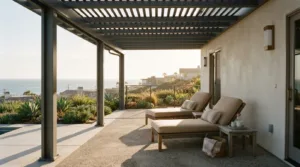
Arrange furniture to frame a view rather than block it. Position chairs toward a mature tree, garden bed, or distant landscape, and keep a clear route from the door. Angle a compact sofa toward the view, for example, and place a side table within easy reach. If the best outlook is beyond the patio, leave the center open and group seating near the edges. This feels comfortable and preserves sightlines.
Natural textiles can soften hard patio surfaces, but choose them with local weather in mind. Prolonged sun can fade outdoor fabric, so UV-rated materials are a considered choice for cushions. Store cushions between uses or bring them inside when rain is forecast. Woven textures and neutral tones complement stone, plants, and timber while keeping the seating area refined.
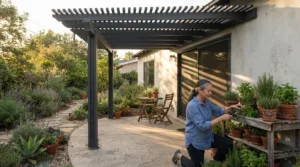
Low-maintenance landscaping keeps a shaded area inviting without making hosting feel like a chore. Use containers near seating for herbs or seasonal flowers, then place durable ground cover along the patio edge. Group pots instead of scattering them across walking routes. Choose plants suited to the light beneath the cover, and leave room for chairs to move easily. A tidy border gives the patio a finished frame.
Choose patio and deck surfaces for both appearance and use. Pavers, gravel, and natural stone can define paths or connect the patio with the garden. Consider how each material feels underfoot, meets the home’s exterior, and supports furniture steadily. Use a firm surface beneath dining chairs, for example, with gravel as a contrasting garden accent. Keep transitions between surfaces clear for guests.
String lights can bring warmth beneath a covered patio, while a table lamp or candle adds a softer focal point. Coordinate these details with the furniture and home’s palette rather than introducing another dominant color. A well-planned cover, comfortable seating, and practical landscaping can extend entertaining into sunnier hours while keeping the design connected to the home.
5. Outdoor living spaces for holiday hosting
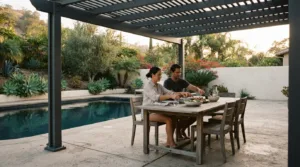
Holiday hosting works best when the backyard feels like a natural extension of the indoor gathering. Give guests clear places to eat, talk, and unwind instead of asking one patio arrangement to serve every purpose. Set a dining table near the kitchen door, for example, and create a separate conversation area with lounge chairs. This zoning makes serving practical and helps guests move easily between activities. If you want to focus on “impressing guests with my outdoor space,” begin by planning how people will use it.
Plan the layout around your celebration, not just the furniture you already own. For a family meal, leave room to pull chairs back and carry dishes through. For a relaxed evening, turn seating toward a fire pit or garden view. A compact patio can still function well when furniture is scaled to the space and walkways remain open. Foldable chairs or movable side tables help adapt the setting for different gatherings.
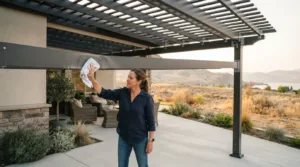
Shade can make an outdoor celebration more comfortable during sunny hours. A pergola can define a dining or lounge area while giving the space a more intimate feel. Consider where the sun falls at the time you usually host, then position the main seating accordingly. Adjustable shading can help the area respond to changing conditions, while an open section nearby preserves a brighter spot for guests who prefer sun.
Lighting and atmosphere matter as the evening continues. String lights above a conversation area create a gentle glow, while candles can bring a softer focus to the dining table. Keep the serving path visible and avoid placing décor where guests walk. If a fire feature is part of the gathering, arrange chairs to support conversation without blocking access through the patio.
For food and drinks, a compact serving station can reduce trips indoors. Use a sturdy table for plates and snacks, and place beverages on a separate tray or cart. Keep napkins and utensils together, then position the station near dining seats but outside the main traffic route. This makes self-service straightforward and leaves the central area open for conversation.
Holiday details can make the yard feel special without overwhelming its everyday function. Add seasonal flowers to containers near the entrance or use fresh greenery as a table accent. Choose space-efficient furniture for a smaller patio and decorations that are easy to move after the event. To make impressing guests with my outdoor space feel effortless, choose adaptable touches that suit gatherings beyond the holidays.
Before guests arrive, walk the route from the indoor kitchen to the patio with a serving tray. Move obstacles, check that chairs don’t narrow the path, and place outdoor cushions where they’ll stay dry. For a more tailored setting, plan a patio for holiday hosting with the right balance of shade, seating, and open space.
Elite L.A. Patios
Elite L.A. Patios helps homeowners shape outdoor areas for comfortable hosting, practical shade, and a cohesive look. If your patio needs a more defined gathering space, their durable cover options include lattice, solid twin wall, cantilever, and insulated solid roof styles. The right structure depends on how you use the space, the shade you want, and how the design complements your home.
Thoughtful planning can bring seating, dining, and outdoor circulation together, creating a setting that feels considered beyond a single celebration. Whether you’re refreshing a patio for holiday gatherings or planning a more versatile outdoor living area, Elite L.A. Patios can help you explore a design suited to your home and priorities.
Contact Elite L.A. Patios to discuss impressing guests with my outdoor space.
Shape an outdoor space worth sharing
If you’re focused on impressing guests with your outdoor space, consider how it can serve you beyond a single gathering. A well-planned patio can become a comfortable setting for everyday meals, relaxed evenings, and seasonal celebrations. Its design may also contribute to a home’s appeal, though resale value depends on the property and market.
Elite L.A. Patios offers 4K Aluminum lattice patio covers, 4K Aluminum solid twin wall, and 4K Aluminum Cantilever options. Each can help define an outdoor area while complementing the home’s architecture and the way you entertain. The next step is to consider what matters most in your setting: filtered shade, a more sheltered gathering area, or a layout that feels naturally connected to the home.
Bring those priorities into a considered design conversation with Contact Elite L.A. Patios. A welcoming outdoor space can be a pleasure to enjoy now and a thoughtful part of your home’s future.
Frequently Asked Questions
Does a finished backyard entertaining space add resale value?
A finished backyard can strengthen a buyer’s impression by showing how the property supports everyday living and hosting. Resale value is not determined by outdoor space alone; condition, layout, surrounding properties, and buyer priorities also matter. Keep improvements aligned with the home’s overall finish, and prioritize sound construction and straightforward upkeep. A highly personal feature may delight you, but broad usability can make the space easier for future buyers to picture themselves enjoying.
Should I add a covered patio for shade?
Add a covered patio if direct sun regularly makes your outdoor area less usable during the hours you want to entertain. Before choosing a design, note where you sit, dine, and move through the yard, then consider which activities need shade most. A cover can also define an outdoor room and help connect it visually to the house. Keep some open sky if you value sunshine, garden growth, or an unobstructed view.
Should I complete my backyard upgrades all at once or in phases?
Phasing upgrades can make sense when you want to refine the layout as you use it. Begin with elements that shape later decisions, such as circulation, grading, or fixed structures. Then add furniture, planting, and finishing touches once the main arrangement is clear. Completing everything together can help coordinate materials and work schedules, while a phased approach lets you learn which areas your household uses most.
What are the best luxury backyard additions for holiday entertaining?
Choose additions that improve how guests gather and move through the yard. A generous dining surface, refined lounge seating, and a sheltered area can make hosting feel more composed. For a holiday meal, add a serving console near the dining zone, with space for dishes and drinks. A fire feature can create a distinct evening gathering point. Keep decorations adaptable, so the setting suits other occasions after the holidays.
What outdoor design features impress guests the most?
Guests often notice a space that feels intentional from arrival through the main gathering area. A clear route, comfortable seating, and a cohesive connection between the home and yard make the setting easy to enjoy. Add one distinctive focal feature, such as a sculptural planter or a well-framed garden view, rather than crowding the patio with competing accents. Thoughtful upkeep also matters: clean surfaces and orderly furnishings make details feel considered.
How can I make a small patio or backyard feel inviting?
Choose furniture that fits the patio without restricting movement, and give each piece a clear purpose. A bench with storage can provide seating while keeping cushions or serving items close at hand. Use vertical space for plants or wall-mounted accents, leaving the floor open. Consistent colors connect separate elements, while a mirror or garden view can add visual depth without bulky furnishings.
What lighting creates the best atmosphere for outdoor gatherings?
Use several gentle light sources rather than relying on one bright fixture. For example, combine a shaded table light with low-level illumination near a path, then add a focused accent to a tree or textured wall. Put task lighting where hosts serve or prepare food, and keep it aimed away from seated guests. Dimmers or separate controls help adjust the mood as dinner gives way to conversation.
How can I keep guests comfortable in hot, cold, or rainy weather outdoors?
Plan for changing conditions with a sheltered gathering zone and flexible seating that can be rearranged. In hot weather, offer shaded places to sit and keep drinking water accessible. For cooler evenings, provide blankets or position seating near an appropriate outdoor heat source. If rain is possible, protect cushions and set a clear indoor backup area. For Southern California gatherings, choose the setup around the season and the forecast.