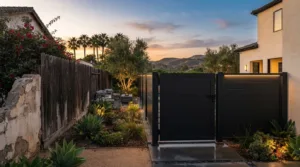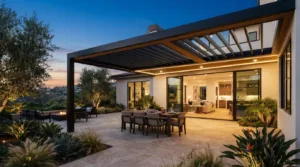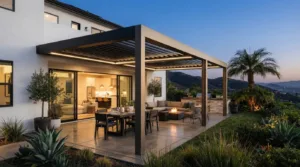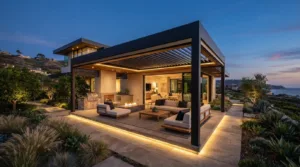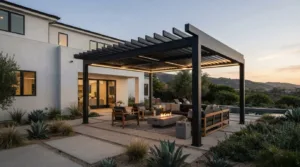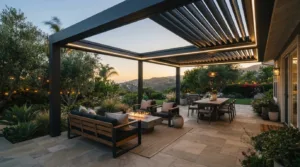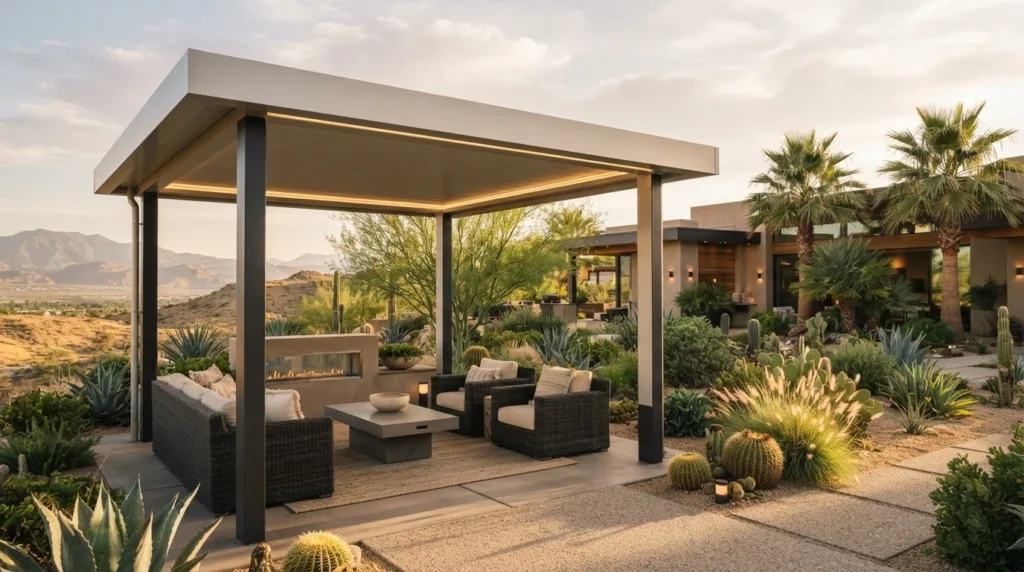
A shade structure for desert landscaping can help create cooler outdoor zones: shade can lower the temperature of home surfaces and surrounding air by 15 to 20 degrees. In Los Angeles County, Orange County, Ventura County, and San Diego County, thoughtful shade placement can create comfortable gathering areas while giving less sun-tolerant plants a more sheltered setting. The key is to make shade work with the landscape, not against it.
Bright sunshine is part of Southern California’s appeal, but intense afternoon sun can make patios and planting beds less comfortable. A thoughtful mix of shade structures, greenery, and sun-aware planning can create cooler outdoor spaces while preserving an open feel.
Explore ways to create cooler microclimates, compare shade structures, and track sunlight and shadows to guide placement. You’ll also learn how shade can protect soil and plants and support more considered water use across your landscape.
Key Takeaways
- Map where afternoon sun falls so seating and sensitive planting can be placed in more sheltered zones.
- Match the shade structure to the space, considering options such as cantilevers, ramadas, porches, and patio covers.
- Use a mix of trees, shrubs, and groundcovers to build layered shade while keeping mature plant size in mind.
- Protect soil and planting beds from direct exposure to help reduce moisture loss across the landscape.
- Choose durable, lighter-colored materials to help limit heat buildup in outdoor areas.
1. Creating cooler microclimate zones
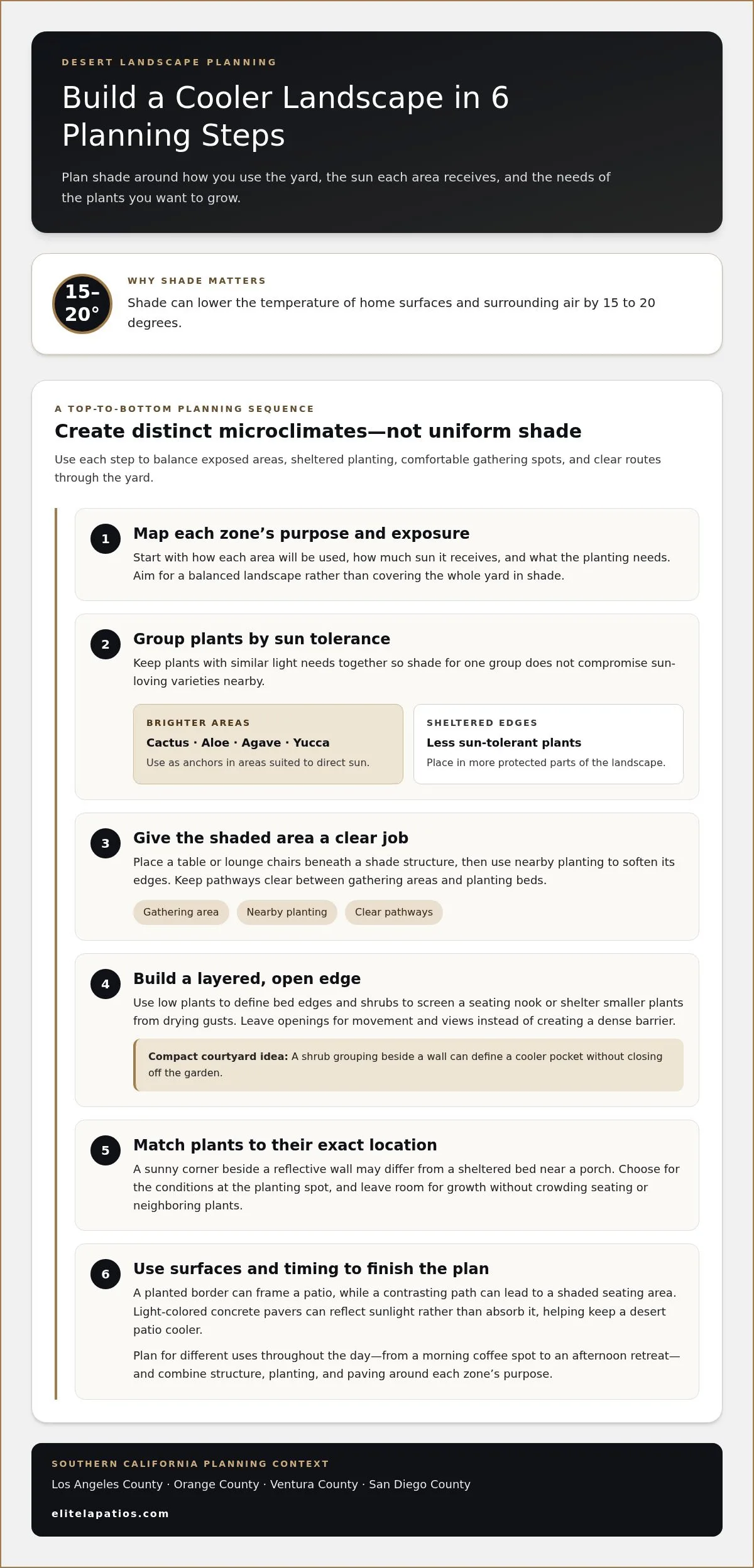
A shade structure for desert landscaping can divide an exposed yard into distinct microclimates. Shade can lower the temperature of home surfaces and surrounding air by 15 to 20 degrees. Across Los Angeles County, Orange County, Ventura County, and San Diego County, plan these zones around each area’s use, exposure, and planting needs. The aim is a balanced landscape, not uniform shade.
Group plants by their tolerance for direct sun. Cactus, aloe, agave, and yucca can anchor brighter areas, while less sun-tolerant plants may suit sheltered edges. Keep plants with similar light needs together so shade in one area doesn’t compromise sun-loving varieties nearby. Grouping also makes each planting bed easier to plan and maintain.
Give each zone a clear purpose. Place a table or lounge chairs beneath a shade structure, then use nearby planting to soften its edges. A transition from open sun to filtered shade can make a yard feel more layered than a uniformly covered space. Keep pathways clear between gathering areas and planting beds.
Vary plant height to create a natural sense of enclosure. Low plants define bed edges, while shrubs can screen a seating nook or shelter smaller plants from drying gusts. Leave openings for movement and views instead of creating a dense barrier. In a compact courtyard, a shrub grouping beside a wall can define a cooler pocket without closing off the garden.
Choose plants for the conditions at their exact location, not just the county or neighborhood. A sunny corner beside a reflective wall may differ from a sheltered bed near a porch. Match each plant to its exposure, and leave room for growth without crowding seating or neighboring plants.
Use the surrounding surfaces to reinforce each zone’s character. A planted border can frame a patio, while a contrasting path can lead to a shaded seating area. Light-colored concrete pavers can reflect sunlight rather than absorb it, helping keep a desert patio cooler. Choose finishes that suit the design and keep walking routes distinct from planting areas.
Think beyond midday comfort. In Southern California, an outdoor space may serve different purposes throughout the day, from a morning coffee spot to an afternoon retreat. Position each zone for its intended activity, and combine structure, planting, and paving to create a purposeful landscape.
2. Using cantilevers, ramadas, porches, and patio covers for outdoor shade
Choose a structure by how you use each outdoor space. A cantilever suits a seating arrangement where you want an open perimeter, while a porch or patio cover creates a sheltered transition from home to yard. A ramada can define an independent dining or lounge area. In Los Angeles, Orange, Ventura, and San Diego counties, start with the space you use most.
Solid roofs, slatted pergolas, and shade cloth offer different experiences. A solid roof gives a more continuous overhead barrier from direct sun. Slats filter sunlight and preserve a sense of openness, while shade cloth creates a canopy over selected seating or planting. Consider how much filtered light you want, and whether the space should feel open or sheltered.
Position the structure around an activity rather than covering unused ground. Center a patio cover over the dining table, for example, or place a cantilever beside lounge chairs to preserve an open view. A nearby palo verde can add a natural contrast. Colored pavers can distinguish the dining area from a path through the desert garden.
Before choosing a location, sketch the home, doors, paths, existing trees, and seating. Mark the patio’s intended use and the direction of afternoon sun, then compare possible structure positions. This simple plan helps show whether a roof or canopy will shade the activity area while keeping routes clear.
For a project in Los Angeles, Orange, Ventura, or San Diego County, treat permitting as a location-specific planning question. Note the property location and proposed structure type, then review the relevant local building department’s requirements. Requirements can vary among cities and counties, so don’t assume one answer applies everywhere.
Plan structural support alongside the design. Decide whether the structure will stand independently or connect to the home, and identify its intended placement. Review the product’s installation instructions for its support and anchoring approach. These details help align the project plan with the selected structure without assuming one attachment method suits every site.
For upkeep, remove dust and loose debris using a cleaning method suitable for the material. Inspect visible connections and check for wear, especially where shade cloth attaches to supports. Follow the manufacturer’s care guidance for UV exposure and cleaning products. Regular visual checks can help you spot changes before they affect the structure’s appearance or use.
To connect your shade needs with your home’s layout, explore patio cover project options as part of your planning.
3. Observing sunlight and shadows
Plan shade for the space you want to protect, not an arbitrary portion of the yard. For a dining area, aim to shade the table and seats during peak afternoon sun. For planting, focus on areas where sensitive plants receive harsh exposure.
Start with a simple garden sunlight map. Sketch the house, walls, trees, paths, and seating, then mark where direct sun falls in the morning, midday, and afternoon. In Los Angeles, Orange, Ventura, or San Diego County, track the conditions at your property instead of assuming every yard gets the same exposure.
Use a fixed reference point, such as a patio corner or mature tree. At each observation, note the shadow’s direction and edge against a paving joint, planter, or wall. Repeat the process throughout the day to distinguish brief shade from a dependable cooling zone.
Next, check the places people actually use. Put a chair where you hope to relax, then see whether it stays shaded during the hours you plan to be outside. For a dining table, observe the shadow across the tabletop and seats. Adjust the proposed structure’s position if the shade misses the main activity area.
Assess sunlight for plants separately. Some benefit from morning sun and afternoon shade, while desert-adapted plants can thrive in brighter locations. Observe individual beds rather than assuming the whole garden has the same conditions. An east-facing wall, tree canopy, or pergola may shelter a sensitive plant without depriving nearby sun-loving varieties.
Account for seasonal change before settling on a location. The sun’s path shifts through the year, changing the angle and reach of shadows. Compare observations from different seasons when possible, and consider whether a tree’s growing canopy will change the light around a patio or planting bed.
Shade can also affect soil conditions. Observe whether exposed beds dry faster than sheltered ones, especially during drought. A shaded planting area receives less direct exposure, while groundcovers and mulch help protect soil from heat and evaporation. Use these clues to decide which beds need overhead shade and which need ground-level cover.
Keep useful sunny spaces intact. A balanced plan might give a seating zone reliable afternoon shade while leaving a cactus bed in full sun. This contrast can make the landscape more comfortable and visually composed while matching each area to its purpose.
When planning a desert landscape, map the hottest afternoon sun and existing shade before choosing where to place a shade tree. Relate those conditions to the outdoor living areas the tree should serve. A map based on observed sunlight and shade helps keep the intended use central, rather than placing a tree without considering the yard’s light patterns.
Position desert shade trees with the sun’s daily path and your outdoor living areas in mind. Compare sun exposure with the places used for sitting or dining, then choose a location that responds to afternoon sun and existing shade. Recheck the relationship as you refine the plan so the tree will shade the areas where it is needed.
4. Shade and water conservation
In the Southwest, thoughtful shade can help protect soil and plants from intense afternoon exposure. Less direct sun on a planting bed can slow surface drying, while covered patios create more comfortable outdoor rooms. Treat shade as part of a water-conscious layout, not a substitute for choosing plants suited to the local climate.
Start with the areas that receive the strongest afternoon sun. Across Southern California, strategically placed structures or trees on the west or southwest side of a yard can block intense late-day sunlight. Give trees room to mature, and account for their eventual canopy when arranging paths, patios, and planting beds. A well-positioned shade structure for desert landscaping can shade both a seating area and nearby soil.
Build shade in layers rather than relying on one broad canopy. Groundcovers protect soil near the surface, shrubs provide shelter at mid-height, and small trees create overhead cover. This arrangement can reduce bare ground exposed to direct sun. Choose plants suited to the site’s light and water conditions, and group compatible varieties so each bed has a clear purpose.
A pergola can support shade cloth or climbing vines where you want extra cover. Bougainvillea adds vivid color as it grows across a pergola, while desert willow offers blossoms and shade in a suitable planting area. Place vines near the seating or bed that needs protection instead of covering every open section of the yard.
Surface choices matter as much as planting. Light-colored gravel can absorb and retain less heat than darker materials, while mulch covers exposed soil. Use finishes in practical zones: gravel along a path, planted groundcover near seating, and mulch around suitable plantings. This combination adds varied textures without leaving every bed bare.
Water features also benefit from shade. Place a fountain or pond in a sheltered area to reduce evaporation and help keep the water cooler. A small recirculating fountain can create a focal point near a shaded patio, while a pond can anchor a planted garden. Keep the feature accessible for regular care, since clean water and functioning equipment depend on maintenance.
Connect shade placement to how each area is used. Protect a vulnerable planting bed first, then position seating where the same canopy can provide relief. In a drought-prone landscape, this targeted approach can help keep soil cooler around selected plants and support more deliberate water use.
5. Which materials withstand intense desert sun, heat, wind, and dust?
In a desert yard, assess a shade structure by its exposure and upkeep needs, not appearance alone. Strong sun, wind, and blowing dust can affect the roof, frame, connections, and finish differently. Note which sides face afternoon sun, where gusts reach the structure, and whether nearby planting or paving contributes dust.
Choose materials and finishes designed for outdoor use under strong sun. A structure should suit the conditions it will face, while lighter-colored surfaces can help reduce heat buildup around the yard. Review product information for material, finish, care guidance, and stated limits. These details make for a more useful comparison than a color sample or broad material label.
Roof design affects both shade and maintenance. A solid roof creates continuous overhead cover, while lattice leaves openings for filtered light. The designs create different shade patterns and collect dust differently. Consider where debris could gather, how visible it would be, and whether the roof is accessible for routine cleaning.
Consider wind during planning. Look at nearby walls, trees, and open approaches to understand where gusts may reach the structure. Review the product’s installation guidance for its intended location and anchoring method. A structure exposed on several sides may face different conditions from one beside a home or sheltered garden wall.
Surfaces exposed to direct sun can heat up. Compare lighter and darker finishes alongside the surrounding paving, walls, and seating. Light-colored materials can help limit heat absorption, but roof coverage and the angle of afternoon sun also shape comfort. Consider a pale roof above a dining area and keep darker accents away from surfaces people touch.
Dust affects both appearance and care. A smooth, accessible surface may be easier to wipe than a design with hard-to-reach edges. Before choosing, consider how the roof and frame can be cleaned according to the manufacturer’s recommended methods. Don’t assume a coating or finish tolerates abrasive scrubbing, strong cleaners, or prolonged UV exposure without product guidance.
Finally, compare complete systems rather than isolated samples. Review the frame, roof, finish, connections, and installation instructions together. A material may suit the sun yet need a different maintenance routine in dusty conditions. For a refined design that responds to your site’s exposure, discuss your outdoor shade project.
For desert exposure, prioritize a complete system made with materials and finishes suited to the conditions you’ve observed. A shade structure for desert landscaping should use sturdy materials to withstand strong sun. Compare the roof, frame, connections, and care requirements together rather than relying on appearance alone. Check that the proposed design aligns with its installation and maintenance guidance, and choose based on the specific area it will cover. Matching sturdy construction and manageable upkeep to the site helps keep your decision practical.
Elite L.A. Patios: 4K Aluminum lattice patio cover
Elite L.A. Patios can help turn a sun-exposed patio into a more considered outdoor living area with a 4K Aluminum lattice patio cover. It’s a relevant option when you want overhead shade while keeping the space visually open. For different coverage preferences, the available choices also include 4K Aluminum solid twin wall, 4K Aluminum Cantilever, and 4K Aluminum insulated Solid Roof.
Start with the patio’s sun exposure, intended use, and desired balance of shade and openness. These details help narrow the structure options and connect the design to your landscape plan.
Contact Elite L.A. Patios to discuss a patio shade design for your outdoor space.
Shape a more inviting outdoor retreat
Turn your observations into a design that feels intentional from the house outward. Decide which activity matters most, then align shade placement with its use, the landscape’s mature growth, and the light you want to preserve. A well-planned shade structure for desert landscaping should feel integrated with the home and garden, not added as an afterthought.
Elite L.A. Patios can help translate that vision into an outdoor structure suited to your space. Bring your preferred seating location, sun observations, and design priorities into the conversation, so the next decisions begin with how you want to enjoy the yard.
Start a conversation with Elite L.A. Patios and take the next step toward a more considered outdoor setting.
Frequently Asked Questions
What types of shade structures work best for desert landscaping?
Pergolas, ramadas, patio covers, porches, cantilevers, and shade sails can all create useful shelter. Choose based on the space’s purpose: a dining table may benefit from broad overhead cover, while a cantilever can keep a seating area open around its edges. For homes in Los Angeles County, Orange County, Ventura County, and San Diego County, consider the specific site’s sun exposure and desired balance of shade and openness.
Where should a shade structure be placed to block the harshest afternoon sun?
Place the structure where its shadow will protect the area you use during the hottest part of the afternoon. If west-facing sun reaches a dining area, for example, position the cover to shade the table and chairs, not an unused section of lawn. Also consider nearby walls and windows, since shade over exposed surfaces can make the adjoining outdoor space more comfortable.
How can shade structures support drought-tolerant plants and reduce landscape water use?
Shade can protect selected plants and soil from direct exposure, helping the ground retain moisture longer. Group plants with similar sunlight and water needs, then use a canopy or covered planting area for varieties that need shelter. Keep full-sun plants in brighter locations, and use groundcover around suitable beds to limit exposed soil. This targeted approach supports drought-tolerant planting without shading the entire garden.