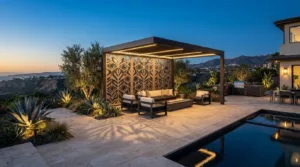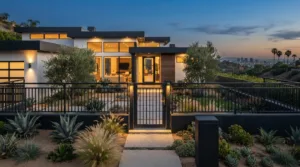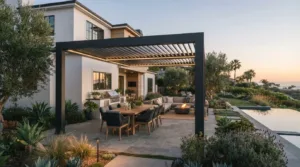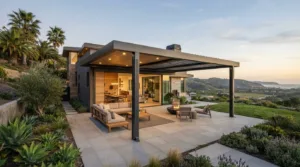
What if privacy came from screening the right views, not walling off the whole yard? A neighbor’s upstairs window or nearby patio can make outdoor time feel exposed, but a solid barrier everywhere may reduce daylight and interrupt the yard’s flow. Creating a private backyard space is about finding a considered balance: enough seclusion to relax while preserving the openness you value.
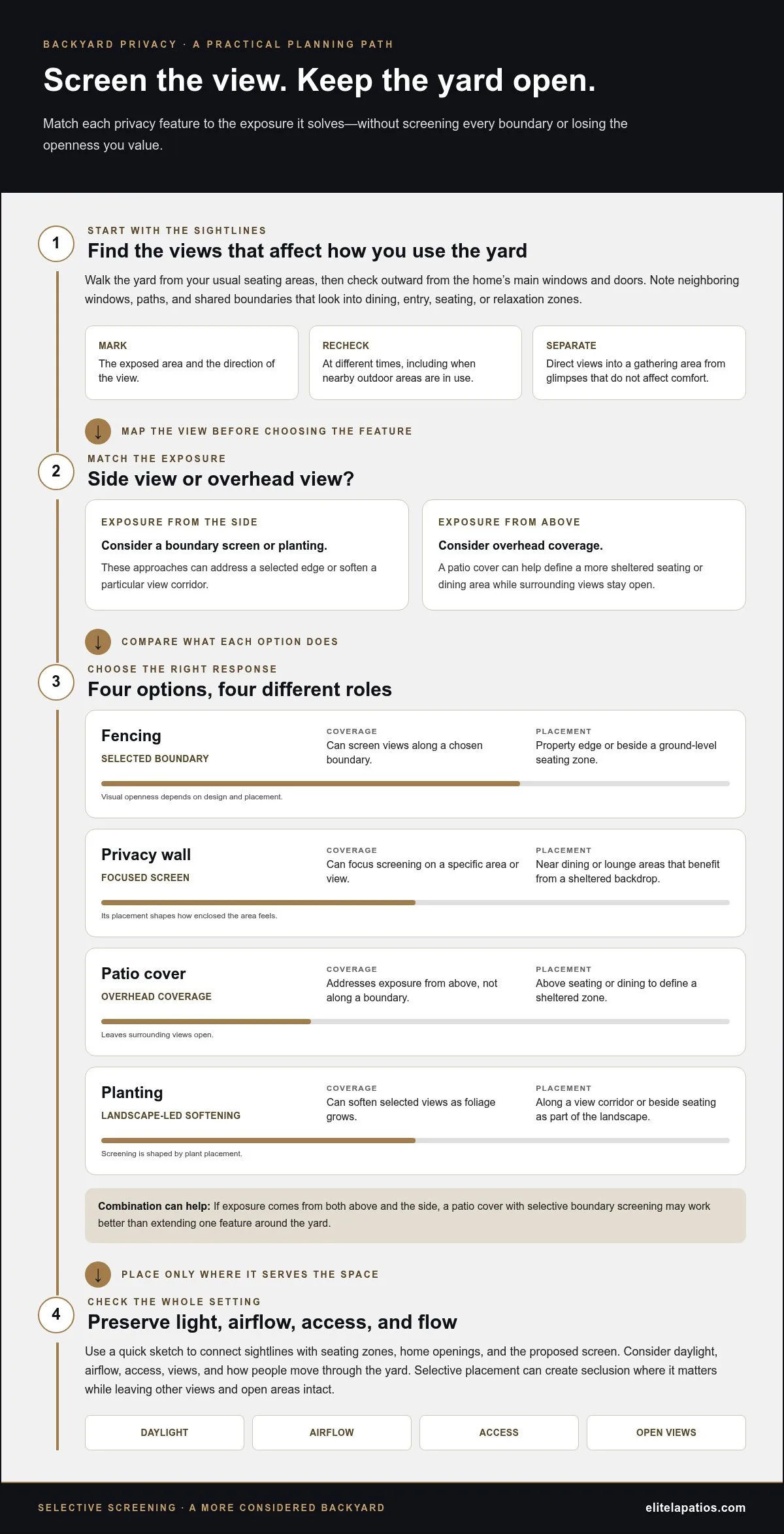
Start by identifying where privacy matters most. A dining area, lounge, or outdoor entertaining space may need a different level of screening than the rest of the yard. Once you understand the sightlines, compare options by how much they screen, how they relate to your home, and how they shape the atmosphere.
This guide shows you how to map exposed areas and weigh options such as fencing, artistic privacy walls, patio covers, and planting. You’ll also learn how thoughtful placement can preserve light and circulation while creating a polished retreat suited to Southern California living. With those priorities in view, it becomes easier to plan a cohesive outdoor space and choose features that fit your home.
Key Takeaways
- Map views into your yard from neighboring windows and outdoor areas to pinpoint where screening will make the greatest difference.
- Compare fences, privacy walls, patio covers, and planting by the coverage, openness, and visual character each brings to your backyard.
- Creating a private backyard space doesn’t mean screening every boundary; selective placement and visual gaps can help preserve daylight and flow.
- Use a simple yard sketch to connect sightlines, seating zones, and home openings before deciding where privacy features belong.
- Explore how aluminum fencing or artistic privacy walls from Elite L.A. Patios can bring considered screening into a cohesive outdoor design.
Creating a Private Backyard Space Starts with Mapping What Feels Exposed
A well-furnished yard can still feel uncomfortable if a neighboring window looks directly onto the dining table or lounge. Across Southern California, nearby homes and varied lot layouts create different exposure points from one property to the next. A higher barrier around the entire perimeter is rarely the only option. First, identify the views that affect how you use the yard.
Observe the space at different times of day. A seating area may feel private in the morning but exposed later, when neighbors are using a window, balcony, or shared boundary. Mapping those moments makes creating a private backyard space a more deliberate design exercise: screen the views that matter while preserving the openness you want.
How to identify backyard sightlines that need screening
Walk the yard from the places where you spend time, then repeat the check from inside the home. Look outward from main windows and doors, and sit in outdoor seating areas as you normally would. Note visible neighboring windows, paths, and shared boundaries. This can show that one corner or seating zone needs attention while other views remain pleasant and worth keeping.
- Mark exposed dining, entry, seating, and relaxation areas.
- Record the direction of each intrusive view.
- Check what changes at different times, including when nearby outdoor areas are in use.
Separate essential privacy from preference. A direct view into a dining or relaxation area may call for focused screening. A glimpse of a neighboring garden, by contrast, may not affect your comfort. Distinguishing between the two helps you avoid blocking useful light or an appealing outlook unnecessarily.
Set priorities before choosing a privacy feature
Decide what the space needs to do. Is your priority visual seclusion around a particular activity, a more defined outdoor room, or both? A dining area may benefit from a different sense of enclosure than an open path through the yard. Consider daylight, airflow, access, and views alongside privacy so the solution supports the whole setting.
Household routines can help refine placement. Think about where people gather, read, eat, or unwind, and whether screening is needed at seated or standing eye level. A quick sketch can show these zones alongside home openings and visible neighbor sightlines. Relate the proposed screen to the home’s architecture and the yard’s proportions. Landscape design principles such as form, texture, and scale can help the finished space feel composed rather than simply enclosed.
Compare Backyard Privacy Solutions by Seclusion, Light, and Visual Style
Different sightlines call for different responses. A boundary screen can limit views from the side, while overhead coverage helps define a more sheltered seating area. Planting can soften a view without adding a hard edge. Before choosing one feature or combining several, consider where each approach works and how it may affect the feel of the yard.
| Approach | Sightline coverage | Perceived openness | Useful placement and purpose |
|---|---|---|---|
| Fencing | Can screen views along a selected boundary | Depends on its design and placement | Along a property edge or beside a ground-level seating zone |
| Privacy wall | Can focus screening on a particular area or view | Creates a defined visual feature; placement affects how enclosed it feels | Near dining or lounge areas that benefit from a more sheltered backdrop |
| Patio cover | Addresses exposure from above, rather than along a boundary | Defines a sheltered outdoor zone while leaving surrounding views open | Above seating or dining where overhead coverage helps shape the space |
| Planting | Can soften selected views as foliage grows | Retains a landscape-led feel, with screening shaped by plant placement | Along a view corridor or beside a seating area as part of the landscape |
When fencing or a privacy wall fits the layout
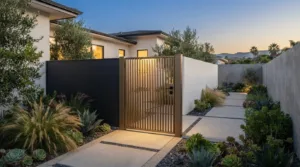
A boundary screen can respond to neighboring views at ground level without requiring the same treatment across the whole yard. 4K Aluminum fencing may suit a boundary that needs definition, while an artistic privacy wall can provide a more focused screen near a particular activity area. Placement and visual character matter: each feature should complement the home and outdoor space. Explore 4K Aluminum fencing as one option for a considered boundary design.
When a patio cover adds comfort as well as screening
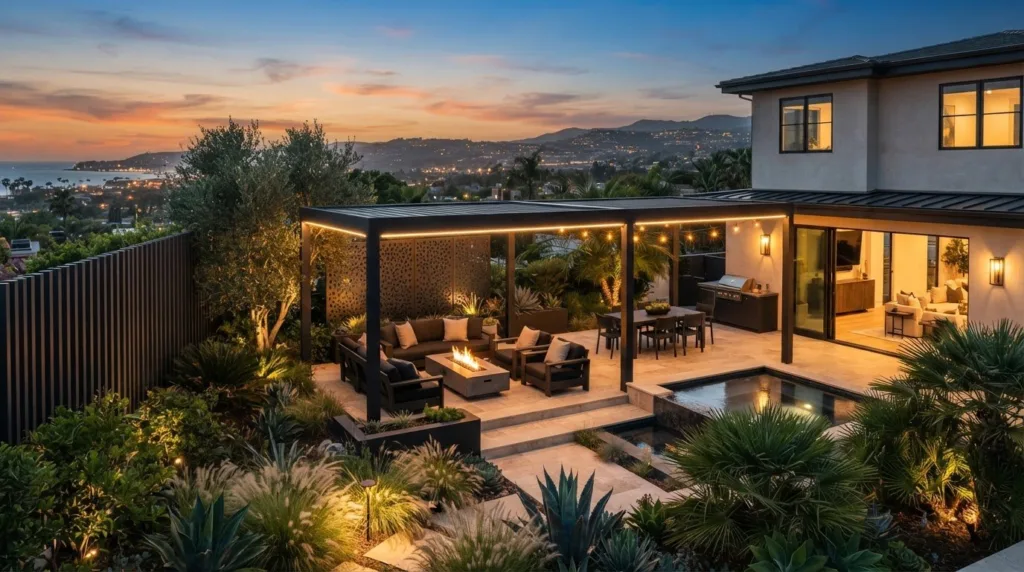
A patio cover adds overhead structure above seating or dining, helping define the area where people gather. It addresses a different kind of exposure from fencing or a privacy wall, which screen views from the side. If exposure comes from both directions, combining a cover with selective boundary screening may work better than extending one feature around the yard. Elite L.A. Patios installs 4K Aluminum lattice, solid twin wall, cantilever, and insulated solid roof patio covers.
Planting can soften the transition around a built screen. The aim isn’t to enclose every edge, but to give each feature a clear role in the setting. With your preferred locations in mind, you can discuss a tailored outdoor design with Elite L.A. Patios.
Will Backyard Privacy Make the Space Dark or Boxed In?
Not necessarily. Plan screening around the views that actually affect your comfort rather than treating every boundary alike. A screen placed across one direct sightline can provide seclusion where it matters, while other edges remain open to daylight, breezes, and the wider landscape. The goal is a backyard that feels composed and comfortable, not sealed off.
As you consider creating a private backyard space, assess each proposed feature from both sides. A screen may block a neighbor’s direct line of sight from a lounge area, yet also become a prominent feature when seen through the home’s windows. Reviewing the design from indoors and outdoors helps keep the yard connected to the architecture.
How to preserve light and an open feel
Start with the precise angle that feels exposed, then decide whether it calls for full coverage or a more selective treatment. Partial screening, a shorter screen, or a layered arrangement may be worth considering where complete coverage isn’t essential. Keep pathways and access points in mind so added privacy doesn’t interrupt movement between the home and outdoor zones.
- Focus screening on the view that causes discomfort rather than closing off every boundary.
- Consider visual gaps or partial coverage where uninterrupted openness matters.
- Review how the feature looks from key windows, doors, and outdoor seating areas.
Light and airflow depend on the specific layout and placement, so don’t assume a particular screen will preserve either in every setting. Compare its position with the home’s openings, the sunlit areas you want to retain, and the paths people use through the yard.
How to keep privacy features cohesive with the home
A privacy feature feels intentional when its lines and materials relate to the home’s exterior and existing outdoor elements. Consider nearby wall shapes, patio proportions, and the visual character of the fence or cover. A focused screen can read as part of the design rather than an afterthought, especially when its placement serves a clear purpose.
Lighting can also contribute to the overall composition. Integrated LED lighting is an option to consider for outdoor areas, where illumination can help define the setting after sunset. Review the complete arrangement in daylight and evening conditions, keeping privacy, circulation, and the home’s architectural character in balance.
Plan Your Private Backyard Space in Five Practical Steps
A clear plan helps turn privacy concerns into design decisions without losing sight of how the yard should feel and function. Use these five steps to move from an initial sketch to a considered outdoor layout.
- Map exposure. Sketch the yard, property boundaries, home doors and windows, seating and dining areas, and visible neighboring spaces. Mark the specific views that feel intrusive.
- Rank priorities. Decide which areas need visual seclusion and which views you’d prefer to keep open. Consider how the yard is used throughout the day, along with daylight, airflow, access, and lighting.
- Compare solutions. Consider whether a fence, privacy wall, patio cover, planting, or a combination best suits each location. One feature may address a single sightline; a layered plan may respond to several without enclosing the whole yard.
- Plan placement. Mark where each feature could go, then review how it relates to paths, gathering areas, home openings, and the flow between indoor and outdoor spaces.
- Review local requirements. Before installation, look up current project-specific requirements through the appropriate city or county’s official sources.
Turn your privacy goals into a simple site plan
Make the sketch useful, not elaborate. Label the views you want to screen and the ones you want to preserve, then mark a possible placement for each feature. Compare a single screen with a layered arrangement, considering how each option affects access, lighting, and the character of the space.
Review local requirements before installation
Requirements can depend on the property’s jurisdiction and the work being proposed. Check the relevant city or county website or building department for current guidance that applies to your project. Avoid relying on general rules of thumb: requirements may differ by location, and official sources are the appropriate place to review them.
Connect the plan to a considered design
Collect exterior references that reflect your home’s architectural character, such as its lines, materials, and outdoor features. Use them to guide a cohesive choice rather than treating privacy as a separate boundary decision. Browse the outdoor project gallery for visual inspiration, then discuss your backyard privacy goals with Elite L.A. Patios as you shape the plan.
Create a Refined Private Backyard with Elite L.A. Patios
A well-planned privacy feature should do more than block an unwanted view. It should support how you use the yard and complement your home’s architecture. Elite L.A. Patios designs and installs premium 4K Aluminum outdoor features, including fencing and artistic privacy walls that can help define selected areas of a backyard.
Match 4K Aluminum features to your privacy goals
Start with the sightlines and activity zones you’ve identified. If a neighboring view reaches across a boundary near a gathering area, 4K Aluminum fencing may help establish a more defined edge. Where screening is needed closer to a dining or lounge area, an artistic privacy wall can serve as a focused design feature. The right placement depends on your layout, preferred openness, and the character of your home.
These features can contribute to a cohesive setting when considered alongside other outdoor elements. A patio cover can define the space above a seating or dining zone, while integrated LED lighting can contribute to the evening atmosphere. Each element has a distinct role: a boundary feature addresses side views, a cover provides overhead structure, and lighting contributes to the overall design. Elite L.A. Patios offers 4K Aluminum lattice, solid twin wall, cantilever, and insulated solid roof patio covers.
Creating a private backyard space is ultimately a balance between seclusion and openness. Rather than adding features everywhere, connect each one to a clear purpose: screening a particular view, defining a gathering place, or bringing the outdoor design into harmony with the home.
Take the next step toward a more secluded outdoor retreat
Before discussing the project, gather a few useful details: how you want to use the yard, which sightlines feel exposed, and what visual direction suits your home. A simple sketch or a few notes can help clarify which areas matter most. Elite L.A. Patios professionally installs 4K Aluminum outdoor features, including aluminum fencing and artistic privacy walls.
Discuss your backyard vision with Elite L.A. Patios and take a considered next step toward an outdoor retreat shaped around your home and priorities.
Shape a More Secluded Backyard Around the Way You Live
A thoughtfully private yard begins with clear sightlines, not a screen around every edge. Identify the areas where seclusion matters, then choose features that balance coverage with daylight, airflow, access, and the openness you want to preserve. A simple site plan can bring those priorities together before installation.
For homeowners in Los Angeles County, Orange County, Ventura County, and San Diego County, Elite L.A. Patios professionally installs 4K Aluminum outdoor structures and features that can support a cohesive backyard design. Fencing or artistic privacy walls can help define selected areas, while patio covers and integrated lighting can complement the broader outdoor setting. The right plan is personal, shaped by your home and how you want to use the space.
Ready to take the next step toward creating a private backyard space? Discuss your backyard vision with Elite L.A. Patios and begin shaping an outdoor retreat that feels considered, comfortable, and distinctly yours.
Frequently Asked Questions
How do I make my backyard more private from neighbors?
Start by identifying exposed seating areas and sightlines from neighboring windows, then compare targeted fencing, privacy walls, or layered screening. A dining nook may need focused coverage, while another part of the yard can remain open. Choose an approach that protects the areas that matter without unnecessarily blocking preferred views, daylight, or access. Local lot conditions vary, so assess your own layout rather than assuming one design suits every property.
What is the best way to create privacy in a small backyard?
In a compact yard, focus on the most exposed zone instead of enclosing every edge. A privacy wall or boundary feature may address a direct view, while a patio cover can define a sheltered area overhead. Match the feature to the sightline and how you’ll use the space. Preserve visual openness and clear circulation, and consider the property’s layout before settling on dimensions or placement.
Can I add privacy to my backyard without blocking sunlight?
Selective placement and partial or layered screening can help maintain an open feel while addressing unwanted views. First identify the direction of the sightline you want to screen, then consider how a proposed feature will appear from indoors and outdoors. Keep important windows, pathways, and open views in the plan. The amount of daylight retained depends on the property layout and chosen design, so no specific light outcome can be assumed in advance.
Are privacy walls or fences better for a backyard?
Neither is universally better; the choice depends on the views you want to screen, the look you prefer, and how you use the yard. Fencing can define a boundary, while a privacy wall may focus attention on a particular area. Elite L.A. Patios offers 4K Aluminum fencing and artistic privacy walls. Consider how each option relates to the home’s architecture, desired openness, and the location where screening would be most useful.
How can I create a private backyard space in Southern California?
Begin with outdoor routines, neighboring views, lot layout, and the balance of shade and openness you want. Map exposed seating or dining areas before comparing screening options and patio covers. Properties across Los Angeles County, Orange County, Ventura County, and San Diego County have varied layouts, so tailor the plan to your home rather than relying on a standard solution. Review current project requirements through the relevant city or county’s official sources.
Do I need a permit to add backyard privacy screening in California?
Whether a permit or other review applies depends on the jurisdiction, property, and scope of the proposed work. There isn’t one universal answer for every backyard privacy project. Before installation, review current guidance from the city or county responsible for your property. If you’re relying on a specific regulatory detail, verify it with that official authority, since requirements can vary by location and project.
How do I choose between privacy screening and a patio cover?
Choose based on the kind of exposure you want to address. Privacy screening responds to selected views from the side, while a patio cover creates an overhead sheltered area above a dining or seating zone. Some yards may benefit from both if each feature serves a clear purpose. Map the sightlines and activities first, then plan a cohesive design instead of adding elements without a specific need.