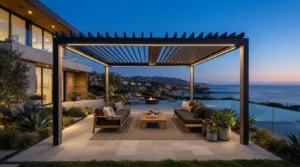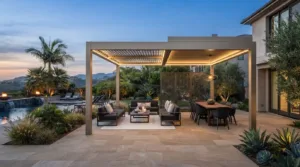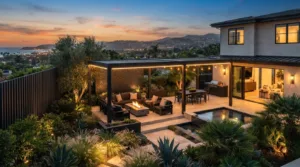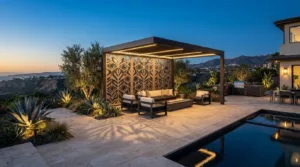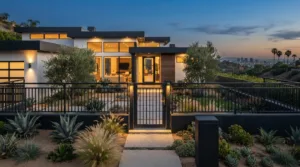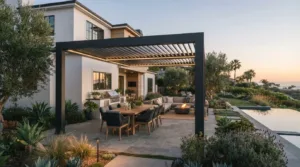
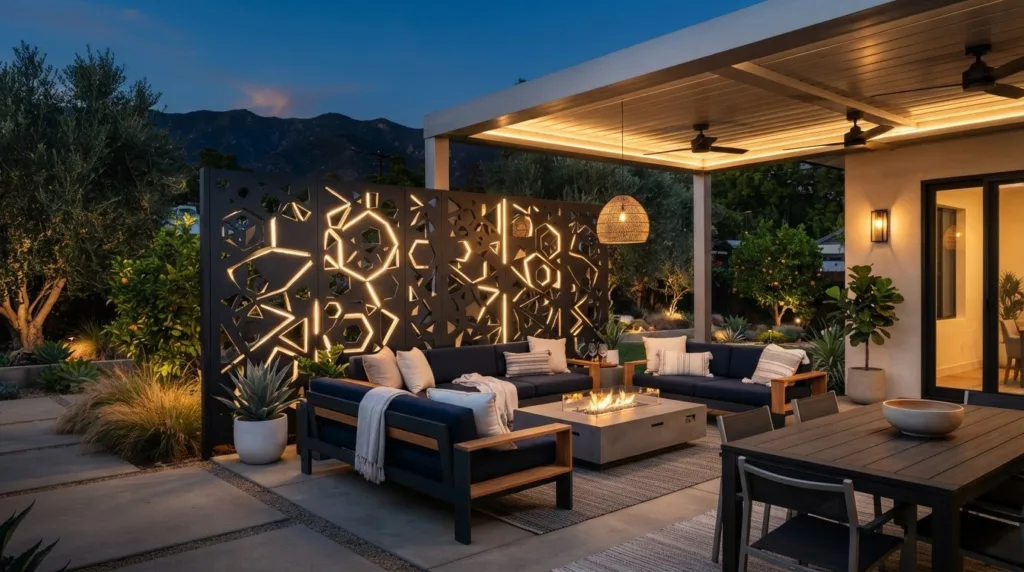
What if the wall that gives your patio more privacy also becomes one of its most distinctive design features? An artistic privacy wall in Pasadena can create a greater sense of seclusion without making an outdoor space feel closed off. The key is to balance visual character with the home’s architecture, available space, and the views you want to soften.
A standard barrier can feel too plain, while a solid screen may overwhelm a smaller yard. A considered aluminum design can help define an outdoor room, add texture, and bring the patio’s finishes together. Integrated LED lighting can add another layer to the setting after dark.
In this article, learn how to plan around sightlines and layout, choose a design that suits your architecture, and prepare for professional installation. Elite L.A. Patios designs and installs artistic aluminum privacy walls for homeowners in Pasadena and across Los Angeles County, Orange County, Ventura County, and San Diego County. A clear starting point is the specific view or part of the patio you want the wall to address.
Key Takeaways
- See how a decorative partition can balance seclusion with a welcoming, considered patio design.
- Learn how pattern, proportions, placement, and nearby finishes shape a wall’s visual character.
- Compare patio-edge, seating-area, and garden-transition placements to find a fit for your privacy goals and circulation.
- Explore the planning steps for an artistic privacy wall in Pasadena, from assessing sightlines and site access to preparing for installation.
- Discover how Elite L.A. Patios can bring the design together, with integrated LED lighting as an optional finishing touch.
Why an Artistic Privacy Wall Can Transform a Pasadena Outdoor Space
A patio can feel exposed without needing to be sealed off. The design challenge is to create a more private-feeling place to dine, unwind, or host while preserving the openness and character that make the outdoor space enjoyable. An artistic privacy wall in Pasadena can address that balance with visual separation and a considered design presence.
An artistic privacy wall is a decorative outdoor partition that helps define a space and soften selected views. Unlike a conventional boundary fence, it can shape the experience within the yard rather than simply mark its perimeter. It might frame a seating area, give a patio edge a clearer finish, or distinguish one outdoor zone from another. The wall becomes part of the composition, not just a line around the property.
That distinction reflects how landscape architecture considers outdoor spaces as connected parts of a larger setting. At home, a wall’s placement can relate to the house, paving, planting, and the routes people use to move through the yard. A well-considered feature feels purposeful from more than one angle.
What does an artistic privacy wall add to a patio?
A decorative partition can give a patio a stronger sense of enclosure without making it feel like a separate, closed-in room. For example, a wall beside a dining area can distinguish it from a walkway, while a feature near a seating area can provide a visual backdrop. The effect depends on the wall’s position, scale, and relationship to the surrounding space.
That added definition can make everyday activities feel more settled. Conversation at dinner, a quiet moment with a book, or a gathering with friends may feel more comfortable when the seating area isn’t entirely on display. A wall can soften selected sightlines, but the amount of screening depends on its design and placement. It should not be treated as a promise of complete privacy.
When might a Pasadena homeowner consider one?
Consider a decorative wall if a seating area feels overlooked, if a patio blends into a neighboring use area, or if the yard lacks a visual cue separating dining from circulation. It may also suit an outdoor space that needs a defined edge but where a plain boundary fence would feel too utilitarian for the home.
Start with the specific view or layout issue, rather than choosing a wall only because it looks appealing. Notice where people sit, which routes need to remain clear, and what you want the feature to frame or screen. The wall’s role and placement should respond to the home’s layout and how you use the patio.
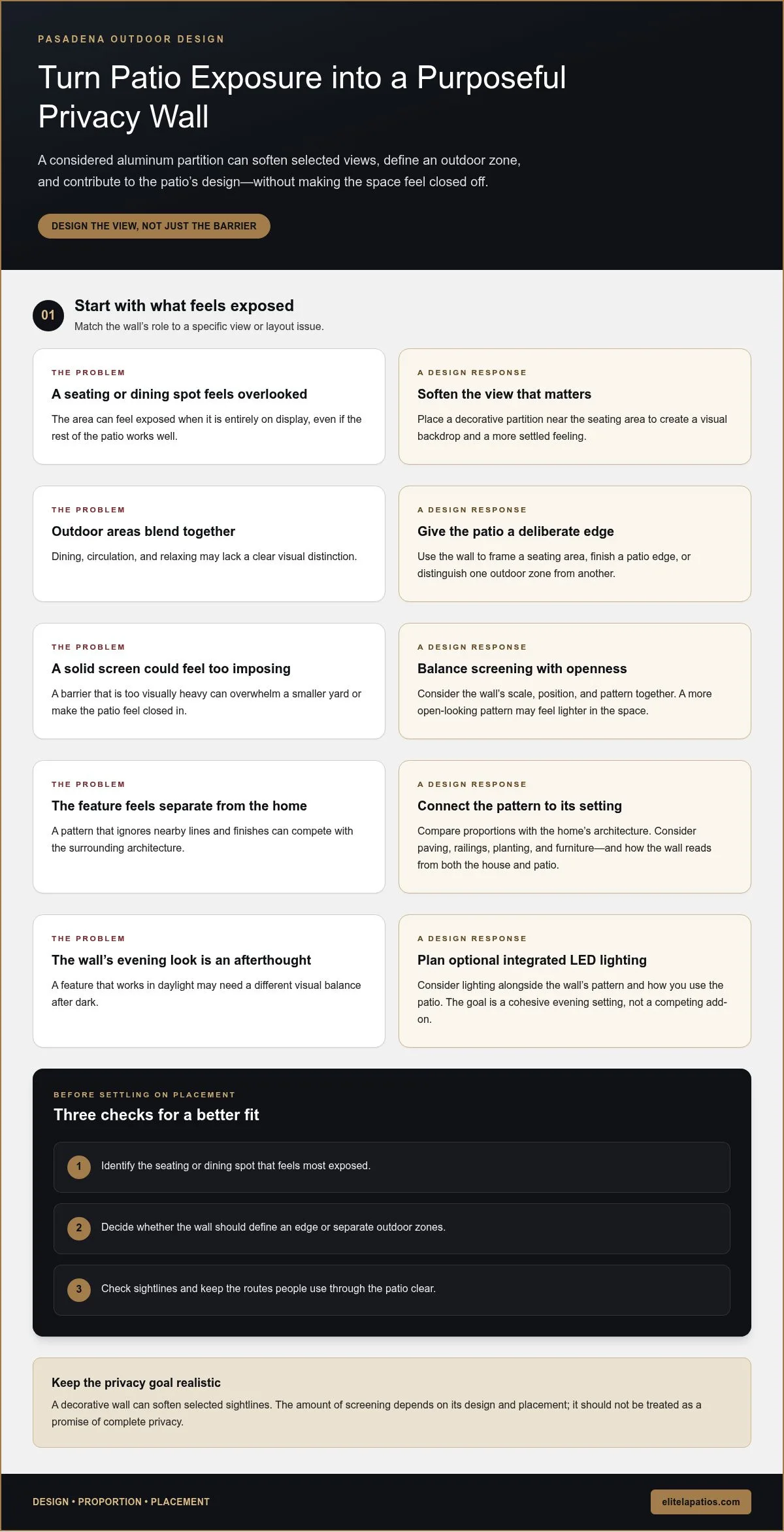
- Identify the seating or dining spot that feels most exposed.
- Decide whether the wall should define an edge or separate two outdoor zones.
- Consider how its position will affect movement through the patio.
This practical assessment keeps the design connected to the property. The aim is not to add a barrier for its own sake, but to create a more composed outdoor setting where privacy, circulation, and visual character work together.
How Aluminum, Pattern, and Lighting Shape an Artistic Privacy Wall
A wall’s visual impact comes from more than its material. Pattern, proportions, placement, and nearby finishes all influence whether it feels integrated with the home or visually separate from it. When planning an artistic privacy wall in Pasadena, consider these elements together. A design that looks compelling on its own should also make sense beside the house, patio, and surrounding landscape.
Elite L.A. Patios designs and installs aluminum artistic privacy walls. The material is one part of the decision: the wall should serve a practical purpose while contributing to a coherent outdoor setting. Consider how its appearance will relate to other elements of your patio, including paving, furniture, and nearby outdoor structures.
Choosing a pattern that complements the home
Start with the home’s existing visual language. If its exterior has strong horizontal lines, a pattern that echoes those proportions may feel more connected than one that introduces a competing rhythm. Nearby paving, railings, planting, and furniture also affect how a wall reads, so consider the view from both the house and the patio.
Repeated elements can create a steady, structured impression, while a more open-looking pattern may feel lighter within the space. Neither approach is automatically right. First decide what the wall needs to do, then consider how its pattern will look at the chosen scale and location. A design that feels balanced at the patio edge may appear dominant close to a seating area.
Using integrated LED lighting with restraint
Integrated LED lighting can make the wall part of the evening patio setting, adding a considered visual layer after daylight fades. It is an optional feature, so plan it alongside the wall rather than treating it as an afterthought. The goal is to create a cohesive composition, not an add-on that competes with the wall’s pattern or the surrounding space.
As you plan, consider how the feature will look in daylight and after dark, and how lighting relates to the way you use the patio. A wall beside a dining area may call for a different visual balance from one that frames a garden transition. Elite L.A. Patios designs and installs artistic privacy walls, with projects able to include integrated LED lighting.
- Compare the wall’s proportions with the nearby architecture.
- Consider how the pattern reads from key viewpoints around the patio.
- Decide whether integrated lighting supports the setting you want after dark.
These choices work best as parts of one design. For Pasadena homeowners ready to develop a cohesive aluminum feature, discuss your privacy wall project with Elite L.A. Patios.
Compare Privacy Wall Placement and Design for Your Pasadena Home
Choosing a location is as important as choosing the wall’s appearance. A feature positioned to soften one neighbor-facing view will have a different effect from a longer installation that defines the edge of a patio. For an artistic privacy wall in Pasadena, assess the actual sightlines, the home’s layout, and how people move through the space before settling on placement.
Let your privacy priorities determine where the wall belongs. The right placement responds to the view you want to soften while preserving the routes and openness your patio needs.
| Placement | Privacy goal | Visual effect | Relationship to circulation |
|---|---|---|---|
| Patio edge | Soften selected views along an exposed side | Gives the patio a more defined perimeter | Keep entrances and walking routes clear |
| Beside a seating area | Focus separation near a particular place to sit | Creates a backdrop without enclosing the entire patio | Position it to support seating without narrowing the path around it |
| Garden transition | Mark a change between outdoor zones | Creates a visual threshold between areas | Preserve a natural route between the patio and garden |
Should the wall screen a seating area or define a boundary?
A focused screen near seating addresses a specific sightline and can leave much of the patio visually open. A longer feature that defines an outdoor zone makes a stronger spatial statement, guiding the eye and distinguishing one area from another. Because that choice can influence views and movement more broadly, think through where people enter, pass, and gather before deciding on its length and position.
These are design approaches, not assumptions about property lines or permitted placement. Planning should account for the home, existing structures, access, and neighboring views. Those details help distinguish a feature intended to shape an outdoor zone from one intended to sit near a boundary.
How to balance privacy with an open feel
Perceived enclosure depends on both pattern and placement. A more open-looking pattern may preserve visual connection across parts of the yard, while a larger uninterrupted surface can make a space feel more defined. The best balance depends on what the wall faces and where it sits, not just how it looks in isolation.
Review the proposed position from both the patio and inside the home. A wall that feels discreet from a chair may become a prominent feature when seen through a nearby window. Likewise, a placement that softens one view could interrupt a valued garden outlook. Walk the routes you use, consider the views you want to retain, and assess sightlines around the property. This makes the design specific to your home without assuming that one wall will screen every angle or neighboring view.
Plan an Artistic Privacy Wall Installation in Pasadena
A successful installation starts with the wall’s purpose, then moves from the property’s actual conditions to a design that fits the setting. For an artistic privacy wall in Pasadena, this sequence keeps privacy goals, visual character, and practical access in view from the outset.
- Define the goal. Identify the view you want to soften or the outdoor area you want to distinguish. Be specific about how you use the space, such as whether the priority is a dining spot, a quiet seating area, or a transition between patio and garden.
- Review the site. Consider the intended position alongside existing structures, nearby finishes, entry points, and the routes people use to move through the yard. Look at neighboring sightlines from the places where you expect to sit or gather.
- Select the design. Choose a pattern and proportions that support the wall’s purpose and relate naturally to the home. Consider how the feature will appear from the patio as well as from inside the house.
- Plan installation. Bring the design and site considerations together before work begins. Applicable City of Pasadena requirements can depend on project details, so review current official city guidance for the specific property and proposal.
What to consider during a property review
A property review makes the plan responsive to the actual patio or yard, rather than relying on an idealized sketch. Note where the wall is intended to sit, what structures are nearby, and whether access to the installation area is straightforward. Then consider how people enter, pass through, and use the space. These observations can reveal whether a proposed feature supports the layout or competes with it.
Neighboring sightlines matter, too. Views may differ depending on whether someone is standing, seated, or looking out from the home. Assessing these perspectives helps clarify what the wall should address and which views you would prefer to preserve. Requirements can vary with project circumstances, so avoid assuming a general rule applies to every property and review current official Pasadena guidance.
How professional design and installation move the project forward
Elite L.A. Patios designs and professionally installs outdoor features, including artistic privacy walls. A clear project goal and an understanding of the site provide a useful foundation for aligning the design with the home and its intended use. Whether your Pasadena home is in Los Angeles County or you are planning an outdoor project in Orange County, Ventura County, or San Diego County, start by identifying what you want the feature to accomplish.
Keep the decision path straightforward: define the privacy goal, review the property, settle on a design, then plan the installation. To discuss an artistic privacy wall for your Pasadena home, connect with Elite L.A. Patios about your project.
Bring an Artistic Aluminum Privacy Wall to Your Pasadena Home
A well-planned wall brings together a practical purpose and a visual presence that belongs in its setting. Elite L.A. Patios designs and installs artistic aluminum privacy walls for Pasadena homeowners, shaping the project around the homeowner’s priorities and the property. The most useful starting point is not a pattern or finish, but a clear sense of what the space needs.
Think through four connected decisions: the privacy goal, the wall’s placement, its visual character, and whether integrated LED lighting suits the way you use the patio. Each choice informs the next. A focused screen beside a sitting area, for example, may call for a different design emphasis than a feature that defines a transition between outdoor zones.
What to bring to an initial project conversation
You don’t need a finished design to begin discussing an artistic privacy wall in Pasadena. Sharing how you use the space can help clarify what the feature should accomplish. Describe whether you hope to make dining feel more sheltered, create a quieter seating area, or give an undefined part of the patio a stronger sense of purpose.
It can also help to explain which views you’d like to soften and which you want to preserve. A description of the home’s exterior, nearby materials, and your preferred balance between privacy and openness gives the project conversation useful context. Photos or a simple sketch can help illustrate the layout, but the design should respond to the property rather than follow a rigid checklist.
- Describe how you use the patio or yard.
- Point out the views you’d like the wall to address.
- Share how you want the design to relate to the home and surrounding finishes.
- Consider whether integrated lighting belongs in the setting you envision.
Start planning your Pasadena privacy wall
A considered design connects those preferences to the property’s layout. Placement affects what the wall frames, the routes people take through the space, and how the feature appears from inside the home. Visual character helps the installation feel intentional, while optional integrated LED lighting can be considered as part of the overall design rather than an afterthought.
As you gather ideas, notice how outdoor features relate to their surroundings. Your own design should be guided by your home and priorities, not copied from another setting.
For a thoughtful next step, discuss your Pasadena privacy wall project with Elite L.A. Patios.
Give Your Pasadena Patio a More Personal Sense of Place
The right outdoor feature can change how a space feels before anything else changes. Imagine stepping onto the patio and finding a setting that feels more considered, more connected to your home, and better suited to the moments you want to spend there. That vision can be the starting point for an artistic privacy wall in Pasadena, shaped around the character of your property rather than added as an afterthought.
Begin with the feeling you want to create. A calmer retreat, a more defined place to gather, or a distinctive backdrop can each guide the design in a different direction. From there, Elite L.A. Patios can bring your ideas into a thoughtfully designed project that reflects your home and priorities.
Your outdoor space can become a more personal expression of home. Begin a conversation about your Pasadena privacy wall with Elite L.A. Patios.
Frequently Asked Questions
What is an artistic privacy wall?
An artistic privacy wall is a designed screen that serves as a visual feature within an outdoor setting, rather than simply marking a property’s edge like a conventional boundary fence. It can give a selected part of a yard a distinct identity and help guide how the space is experienced. Think of it as a design element with a practical purpose, not a guarantee that every view will be blocked.
Can an artistic privacy wall provide privacy without closing off a patio?
It can, depending on the property. Before settling on a design, mark the proposed footprint temporarily and view the area from the places you use most. This can help reveal whether the feature feels too dominant or leaves the patio comfortably open. Check the view from more than one position, since the sense of enclosure may change as you move around the space.
What material is used for Elite L.A. Patios’ artistic privacy walls?
Elite L.A. Patios designs and installs artistic privacy walls in aluminum. When planning your project, focus on the role the wall should play and how its appearance should relate to the home. This keeps early design decisions grounded in your priorities and the character of the outdoor space.
Can integrated lighting be added to an artistic privacy wall?
Yes. Integrated LED lighting can be included in an installation. As you consider it, think about the atmosphere you want during evening use and how the wall will relate to other lighting around the patio. This helps clarify whether lighting belongs in the overall concept and how it should complement the wall’s design.
How should I choose where to place a privacy wall in Pasadena?
Start with a simple site sketch. Mark doors, seating, regular walking routes, existing structures, and the views that matter to you. This makes it easier to compare possible positions and see how each might affect everyday use. Because the right location is property-specific, include the proposed placement in your planning and review applicable requirements through current official City of Pasadena guidance.
Does an artistic privacy wall require a permit in Pasadena?
Whether a permit applies depends on the details of the proposed project, so a general answer shouldn’t be treated as a determination for your property. Before work is planned, consult current official City of Pasadena information relevant to the wall’s proposed location and scope. Use the city’s guidance for your specific circumstances, rather than relying on advice written for a different site or assuming another project’s process will apply.
How do I begin an artistic privacy wall project with Elite L.A. Patios?
Begin with a conversation about the outcome you have in mind, even if the design is still taking shape. Elite L.A. Patios designs and professionally installs artistic privacy walls. A rough sketch or a few reference images can help communicate your preferences, without needing a finalized plan. Discuss your Pasadena privacy wall project and plan a direction suited to your home.