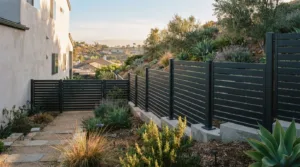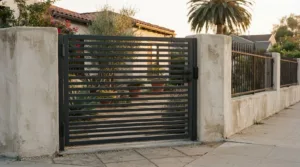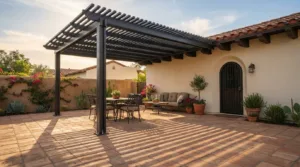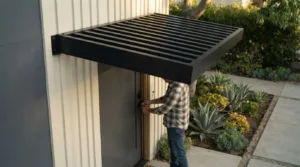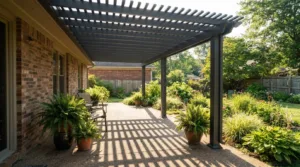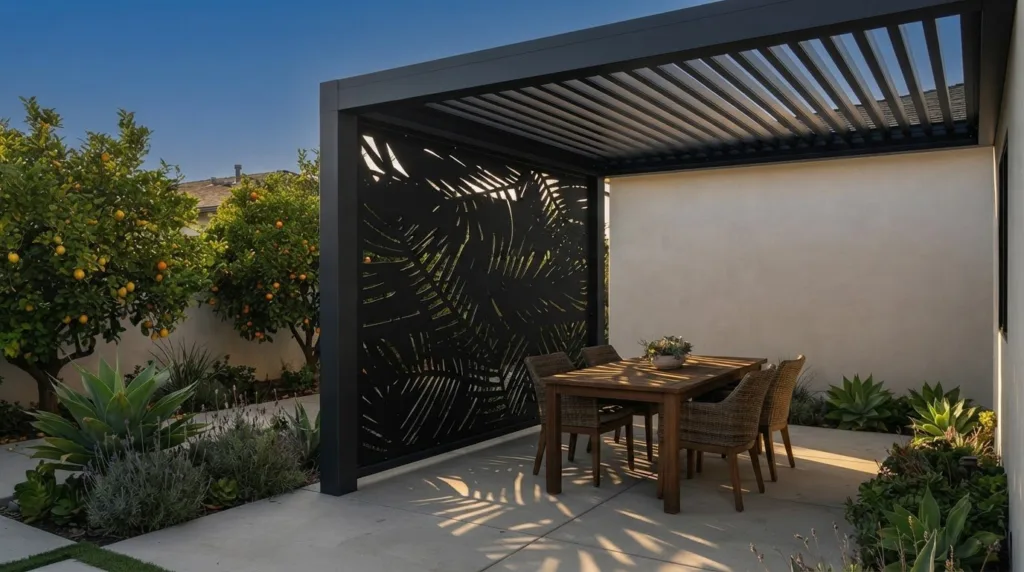
The pattern may catch your eye first, but the panel’s specifications determine how well it suits your garden. Laser cut metal panels for gardens can add privacy and visual interest, but the right choice depends on the material, dimensions, thickness, finish, and installation.
A well-designed screen should feel intentional, not like an afterthought. Balance the privacy you want with the light, airflow, and decorative effect the pattern brings to the space.
This guide compares aluminum, steel, copper, and brass, and explains what to consider when choosing panel sizes, custom designs, and outdoor finishes. It also covers practical specifications and installation details to help you choose a panel that suits your garden.
Key Takeaways
- Match the metal to the look and weather exposure you want, since each material brings a different balance of appearance and performance.
- Choose a panel pattern and opening density that balance privacy with light and airflow.
- Plan dimensions and thickness around the installation area and the support the panel will need.
- Consider how a powder-coated finish can coordinate with your garden and help protect the panel outdoors.
- Use standard specifications as a starting point, then tailor the design to the needs of your space.
Aluminum, steel, copper, and brass materials
For outdoor laser-cut panels, choose a metal and finish suited to the climate, appearance, and maintenance you want. Powder-coated aluminum is one outdoor option, with color choices to suit different designs. Steel, copper, and brass have their own distinctive looks, but their suitability depends on the specific alloy, finish, and exposure.
Aluminum is relatively light compared with steel, which can make it easier to handle and install. Its clean appearance pairs well with geometric cutouts and contemporary gardens. A powder-coated surface adds color and suits outdoor panels. The coating system and care requirements depend on the product and conditions.
Steel panels can create a substantial visual boundary while supporting crisp, intricate patterns. Weathering steel resists atmospheric corrosion better than other steels. COR-TEN panels can develop a stable, rust-like appearance after several years of weather exposure. This evolving finish is part of the design, but consider runoff and nearby surfaces when choosing the panel’s location.
Copper and brass bring warm, distinctive tones that differ from painted aluminum or steel. Their appearance changes with exposure, so consider how the surface will look over time, not just its initial color. Compare finish samples in the garden’s natural light and consider how nearby stone, timber, and plants will look alongside them.
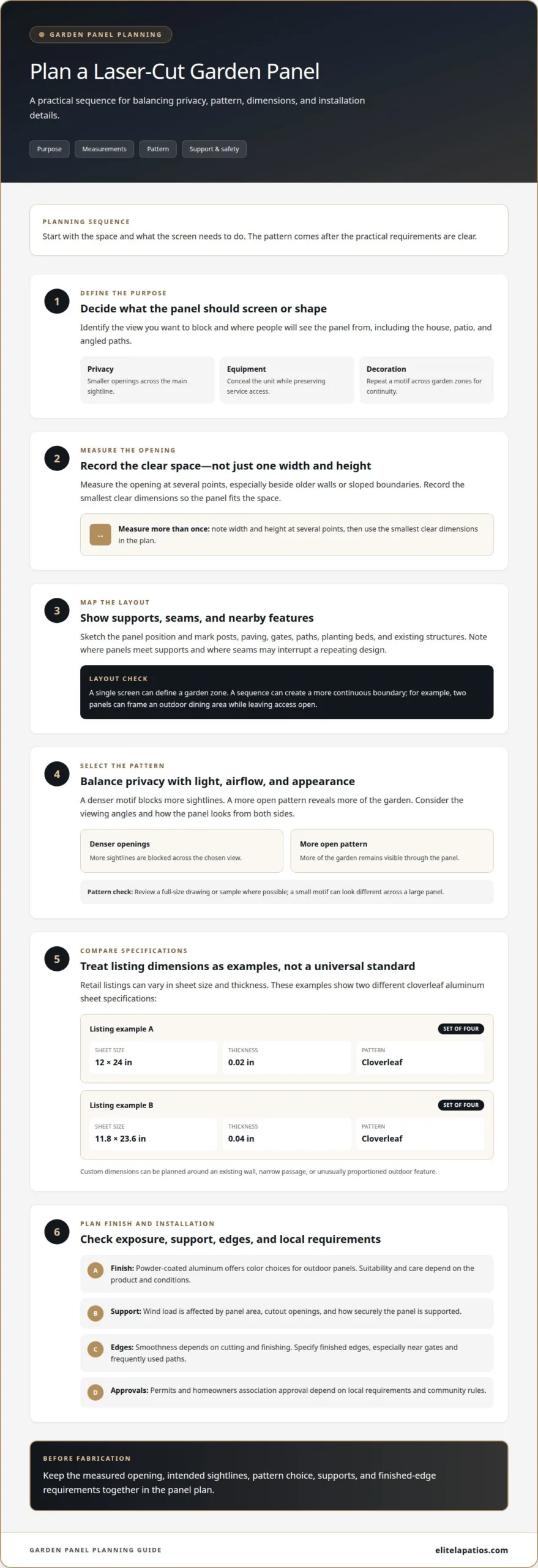
Laser-cut steel and aluminum panels can have designs cut directly into the sheet metal. The open pattern affects appearance, airflow, and privacy. A dense motif blocks more sightlines, while a more open pattern reveals more of the garden. Review a full-size drawing or sample where possible, since a small motif can look different across a large panel.
Unlike wood, metal allows a crisp, cut-through pattern rather than a timber-board appearance. Vinyl fencing generally has a different, more solid-panel look, while solid metal fencing has no decorative openings. Choose based on the appearance, privacy, and maintenance you want, rather than a universal performance ranking.
In the United States, custom panel costs depend on metal, dimensions, thickness, pattern complexity, finish, and mounting. A custom outdoor project can begin with a free in-home estimate, which helps define its scope. Nearby custom panels are generally sourced from metal-cutting fabricators, with location and delivery shaping the available choices.
Safety depends on the entire installation. Wind load is affected by panel area, cutout openings, and how securely the panel is supported. Edge smoothness depends on cutting and finishing, so specify finished edges, especially near gates and frequently used paths.
Outdoor privacy screens and decorative panels
A garden screen can define a boundary without looking purely functional. For example, a laser-cut panel beside a patio can create separation while remaining a design feature. Decorative screens can also conceal outdoor units, utility systems, or other structures that interrupt a carefully planned view. Placement matters: a panel beside a seating area serves a different purpose from one screening equipment.
Start by identifying the view you want to block. A panel beside a neighbor-facing boundary may need a denser pattern than a screen around an air-conditioning unit. Then consider the main viewing angles from the house and patio. A design that looks open straight on may provide less privacy from an angled path, so assess it from the positions people actually use.
Panel layout matters as much as the motif. One screen can define a garden zone, while a sequence can create a more continuous visual boundary. For example, two panels can frame an outdoor dining area while leaving an opening for access. Include gates, paths, planting beds, and existing structures in the layout so the screen supports movement rather than obstructing it.
- For privacy: Choose a pattern with smaller openings across the main sightline.
- For equipment: Position the panel to conceal the unit while preserving access for servicing.
- For decoration: Repeat a motif in separate garden zones to create visual continuity.
Custom fabrication can match decorative panels to specific dimensions, making it possible to plan around an existing wall, narrow side passage, or unusually proportioned outdoor feature. Provide the intended width and height, then consider how the panel will meet its supports. Accurate dimensions help the design fit the space rather than forcing the garden layout around a standard sheet.
Permits and homeowners association approval depend on local requirements and community rules. Before installation, identify the applicable local permitting authority and review the HOA’s governing documents for fence or screen provisions.
For an integrated look, coordinate the screen’s motif with nearby paving, planting, and architectural details. A restrained geometric pattern can complement a contemporary patio, while a botanical cutout can echo surrounding foliage. The finished panel should relate to the garden from both sides, especially where neighbors or shared walkways can see it.
If a tailored screen is part of your garden plan, share your privacy project details to discuss a design that suits the space.
If you’re planning a screen for another setting, decorative panels can also work as room dividers or indoor accents, extending the design beyond the garden.
Panel sizes, thicknesses, and custom designs
Begin with the opening, not the pattern. Measure its width and height at several points, especially beside older walls or sloped garden boundaries. Record the smallest clear dimensions, then map nearby posts, paving, and gates. This drawing shows where panels meet supports and where seams may interrupt a repeating design.
Retail examples show how widely ready-made dimensions can vary. One listing describes four black cloverleaf aluminum sheets, each measuring 12 by 24 inches and 0.02 inch thick. Another describes four cloverleaf sheets measuring 11.8 by 23.6 inches and 0.04 inch thick. These are listing examples, not universal specifications for garden screens.
Thickness affects a panel’s feel, weight, and handling, while its size determines how it fits the opening. Consider both together. A large panel with an intricate pattern has different support needs from a small decorative insert. Ask the fabricator to assess material, cutout area, mounting method, and exposure together when developing a suitable specification.
Custom sizing can make a screen work with the garden’s actual layout. One tall panel may suit a narrow side passage, while a broad patio boundary may need several coordinated sections. Provide a measured elevation showing the opening, ground level, support positions, and any slope. Mark the motif direction so repeated panels align consistently.
Plan the mounting before setting final dimensions. A panel can sit within a surrounding frame, attach to posts, or use stand-off brackets to separate it from a wall. Each approach changes the usable opening and visible edges. Include support locations in the drawing and specify whether the panel should appear flush, framed, or spaced from its backing.
Design details also affect fabrication. A repeating leaf motif may need careful alignment across adjoining sections, while a centered medallion depends on accurate panel boundaries. Show the desired pattern scale and orientation in the design proof. Review corners and cut edges, since a motif that reaches the edge looks different from one with a clean border.
Coordinate the finish with the garden’s architecture. Powder-coated aluminum panels can be finished in any color, allowing a custom screen to echo a gate, trim, or outdoor furniture. Choose the color alongside the pattern and mounting details, rather than as a final afterthought. This keeps the panel’s dimensions, visual weight, and finish working together.
Consider how the panel’s color relates to surrounding materials and the overall composition. Before approving fabrication, compare the proof with the measured opening and confirm the panel count, orientation, border treatment, finish, and mounting clearances. If the layout changes, request an updated drawing rather than assuming how the sections will meet.
The CNC panel design catalog is advertised at 25% off its original price, which may be useful when exploring design options. Before placing an order, check that the selected design can be adapted to the opening and support plan.
Powder-coated colors and weather protection
A garden panel’s finish affects its color, surface character, and care routine. Powder coating gives aluminum panels a colored finish suitable for outdoor use, with color options across the full palette. For example, a charcoal screen can complement dark window frames, while a lighter tone can echo pale stone paving. View samples beside the materials they’ll meet outdoors.
Color can look different in direct sun, shade, and evening light. Compare a finish sample with the garden wall and nearby plants instead of choosing from a small screen image alone. A warm bronze tone beside red brick creates a different effect from the same tone against concrete. This simple comparison helps the panel suit its setting.
Powder coating is a finish, not a substitute for choosing suitable metal and construction. Weather protection also depends on the panel’s material, cut edges, mounting details, and exposure. A panel near sprinklers or dense foliage faces different moisture conditions from one beneath a covered patio. Consider these surroundings when choosing the finish and placement.
Laser-cut openings create edges and interior corners that deserve attention when planning the finish. Ask how the chosen process treats exposed edges and cutouts, then review a sample or fabrication drawing. A botanical motif with narrow leaves and small interior shapes may create more detailed edges than broad geometric openings. Consider the pattern and finishing approach together.
Installation details can affect how well a finished panel holds up outdoors. Avoid designs that trap leaves or standing water against the surface. For example, a screen close to a planter may collect damp debris along its lower edge. A small clearance and accessible mounting can make routine cleaning easier.
- Before installation: Remove packaging and inspect the panel for visible scratches or coating damage.
- During routine care: Rinse surface dirt with water and use a soft cloth for stubborn marks.
- After trimming or alteration: Address exposed areas using a finishing method suited to the metal and coating.
Use gentle cleaning materials, since abrasive pads can mark a finished surface. Address scratches promptly with a compatible repair approach. Keep the coating manufacturer’s care guidance with the project documents, especially when the garden includes several finishes or metals.
For an indoor decorative screen, laser-cut aluminum can also receive a chosen powder-coated color. This supports a coordinated palette between an interior feature and an outdoor garden panel, while keeping each application’s exposure in view.
Standard panel specifications
“Standard” doesn’t mean there is one universal size or thickness for every garden screen. A useful specification records the details that define fit, appearance, and installation. For example, a panel drawing can identify its overall dimensions, material, pattern, finish, edge treatment, and mounting points. These details make a design easier to assess than a motif image alone.
Begin with the finished opening. Record its width and height, then note slopes, posts, walls, and nearby gates. The drawing should show whether measurements refer to the panel itself or the complete framed assembly. That distinction matters when a screen must fit between existing masonry posts or align with a paved edge.
Next, list the material and thickness as separate specifications. Aluminum and steel have different weights and structural characteristics, so the metal affects handling and support. Thickness alone doesn’t determine suitability. The panel’s dimensions, cutout pattern, and mounting design matter too. Ask for these details together on the fabrication drawing rather than relying on a thickness label alone.
Pattern information should be just as clear. Identify the motif, its orientation, border width, and whether it repeats across adjoining panels. For example, a centered floral motif may need to align across two screens. Note how openings meet the panel edges, since a full border looks different from a pattern that extends to each edge.
Include the mounting method in the specification before fabrication. A drawing can identify posts, a surrounding frame, or wall brackets, along with each attachment location. It should also clarify whether the hardware remains visible. These choices affect the panel’s finished dimensions, support requirements, and visual relationship to a wall or fence.
- Panel identity: Label each section by location, such as “patio screen” or “side passage.”
- Finish: State the selected color and coating on the drawing.
- Edges: Describe the intended border and finished cut edges.
- Installation: Mark supports, attachment points, and panel orientation.
Before production, review one coordinated drawing for every panel in the project. Compare its dimensions with the opening, confirm the motif direction, and check that neighboring sections form the intended pattern. This review can catch a reversed panel or misplaced mounting point before fabrication begins. Keep the approved drawing with the project records for installation reference.
A clear specification turns a decorative idea into a buildable plan. For a garden screen, the most useful takeaway is to define fit, material, pattern, finish, edges, and mounting as one coordinated set. Discuss your outdoor structure plans with the team to explore a design approach for your space.
Elite L.A. Patios
Elite L.A. Patios helps homeowners plan premium 4K Aluminum outdoor structures that complement a considered garden layout. If a decorative screen is part of a wider outdoor renovation, the team can help you explore how a patio cover fits alongside your privacy and design priorities. Options include lattice, solid twin wall, cantilever, and insulated solid roof systems, each suited to a different outdoor setting.
Bring your project goals and the features you want to coordinate, such as shade, privacy, or a defined patio area. This gives you a practical starting point for planning how the outdoor structure fits the garden’s overall design.
For a considered next step, contact Elite L.A. Patios to discuss your outdoor project.
Shape a Garden That Feels Like Yours
Your next step is to decide how the garden should feel in daily use: more secluded, more defined, or better suited to relaxing outdoors. A plan for laser cut metal panels for gardens can become a starting point for coordinating privacy features with the wider outdoor setting, without treating every element as a separate design decision.
For a patio project, Elite L.A. Patios offers 4K Aluminum structures including lattice, solid twin wall, and cantilever options. These can help shape a cohesive outdoor environment alongside the garden features you’re considering. The right direction depends on your space, priorities, and how you want to use the patio.
Take the next step at your own pace. Contact Elite L.A. Patios to discuss your outdoor project and explore a considered design path for your home.
Frequently Asked Questions
What are laser-cut metal garden panels used for?
Laser cut metal panels for gardens create defined outdoor zones, decorative focal points, and screened views. A patterned panel can frame a seating area or separate a dining space from a walkway, for example. Its openings preserve some visibility, while the motif adds a distinct design element. The pattern and placement determine whether the panel primarily provides privacy, decoration, or both.
What standard sizes and thicknesses are available for garden panels?
Specifications for laser cut metal panels for gardens vary by product and fabrication method. Compare the finished panel measurements with the intended opening, and clarify whether listed dimensions describe the metal sheet or the complete framed unit. If ordering several panels, check that their measurements and pattern orientations align with adjoining sections, gates, or existing structures. This helps ensure the planned arrangement fits the space.
How do you install laser-cut metal panels in a garden?
Install panels by laying out their positions, preparing compatible supports, and securing each one with its intended mounting hardware. Keep adjoining panels aligned and ensure gates and paths remain unobstructed. For projects in Los Angeles County, Orange County, Ventura County, or San Diego County, include the site layout and mounting approach in the installation plan before work begins.
What posts, brackets, and foundations are needed for panel installation?
Posts, brackets, and foundations should suit the panel, its support points, and the receiving surface. A panel attached to a masonry wall needs different hardware from one supported by posts in soil. The installation plan should identify each attachment point and how it connects to the existing surface. Choose hardware based on the complete support arrangement, not appearance alone.
How do you prevent rust and maintain outdoor metal garden panels?
Keep outdoor panels clean, and address coating damage before leaving exposed metal untreated. Rinse away dirt and debris, then use a soft cloth rather than abrasive tools. Inspect cut edges, fasteners, and contact points during routine garden care. For steel, follow the selected finish’s maintenance guidance, since weathering steel’s intended appearance differs from a painted finish.